
ASB Awareness Week: Catch Up On The Key Moments – Replays Now Available!

Honest conversations. Practical insight. A week that moved things forward.
Last week, we marked ASB Awareness Week with five focused sessions, each designed to open up the conversations that matter and offer something useful to take back into practice.
From what counts as ASB, to how new tools like Respect Orders might work in reality, the sessions were full of questions, clarity and challenge. If you missed anything – or want to revisit a particular session – the replays are now available.
Here’s what we covered:
Tackling ASB in Cinemas

With support from the UK Cinema Association, this first-of-its-kind session explored how the cinema industry can respond to ASB. Partner Darren Burton and Associate Jess Thomas shared insights on recognising patterns of behaviour, supporting frontline teams, and building stronger local relationships.

Social Housing Round Table Special Edition
This session brought over 100 professionals together for a frank and thoughtful conversation about some of the trickiest questions facing housing teams. Hosted by Matt Baird, with insight from Associates Jack Madge and Sharon Murphy, we explored the grey areas that often cause confusion and tension in casework:
- What actually counts as ASB, and what doesn’t
- Where the line sits between poor service and legal thresholds
- How to safeguard victims without mislabelling what’s really a neighbour dispute
It was a thoughtful, grounded discussion that reflected the realities many teams are navigating – and the value of carving out time to work through these grey areas together.

Fact or Fiction? ASB Myths Debunked
In this session, Partner Janine Green was joined by Lindsay Felstead from Clarke Willmott Solicitors for a myth-busting conversation that sparked plenty of engagement. Together, they unpacked some of the most common assumptions around ASB – including when tools should be used, how lived experience is factored in, and where the responsibilities really lie in multi-agency work.
The session opened up important questions about consistency in decision-making, how confident practitioners feel applying enforcement options, and the grey areas that can lead to hesitation or delay. It was a useful opportunity to sense-check current thinking and reflect on how policy and practice line up – or don’t – in the real world.
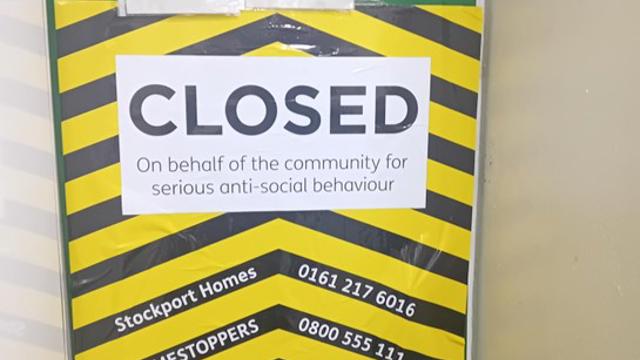
Practical Use of Closure Powers
On Thursday Darren was joined by solicitor Paul Gorton from Stockport Metropolitan Council to deliver a clear and practical session on the use of Closure Orders where they unpacked the legislation, legal tests and real-life application in detail.
They walked through the full process, from issuing a Closure Notice through to what happens after the order is made, covering:
- How to evidence a case using the civil standard of proof
- When and how Partial Closure Orders can be used, especially in exploitation or cuckooing cases
- What to consider when the closure period ends, including follow-on action and support for victims
- The link between Closure Orders and possession proceedings, including key timings and notice requirements
This was a focused, step-by-step guide aimed at helping practitioners feel more confident navigating closure powers in practice – especially where there are delays, sensitivities, or uncertainty around who takes the lead.
Preparing for Respect Orders
To close out the week, Janine and Sarah Bradley from Consilium Training and Support led a timely and practical session on the proposed Respect Order – a new civil-criminal hybrid tool currently set out in the Crime and Policing Bill.
Although the legislation is still making its way through Parliament, the session explored how Respect Orders could change the way ASB is managed, particularly in relation to existing injunctions. We looked at how these orders might be used in practice, what makes them different, and where they could sit alongside or replace current tools.
Key areas covered included:
- The mandatory risk assessment and what it must include
- How breaches would be enforced, and what evidence will be needed
- The introduction of positive requirements and how supervision and warnings will need to be handled
- What landlords and local agencies can start doing now to prepare
The session encouraged teams to think ahead – reviewing policies, considering local arrangements, and making use of any opportunities to shape guidance and process as the Bill progresses.
Janine & Darren’s Weekly Round Up
Looking ahead, the momentum from ASB Awareness Week doesn’t stop here. The conversations sparked last week – particularly around partnership, shared responsibility and how we work together – will continue at the ASB11 Conference this autumn. With new tools on the table and big decisions ahead, the conference is a space to build on what’s already happening and push for the change we want to see across the sector. Early bird tickets are now available – book yours and be part of what comes next.
Have a great week,
Janine & Darren