
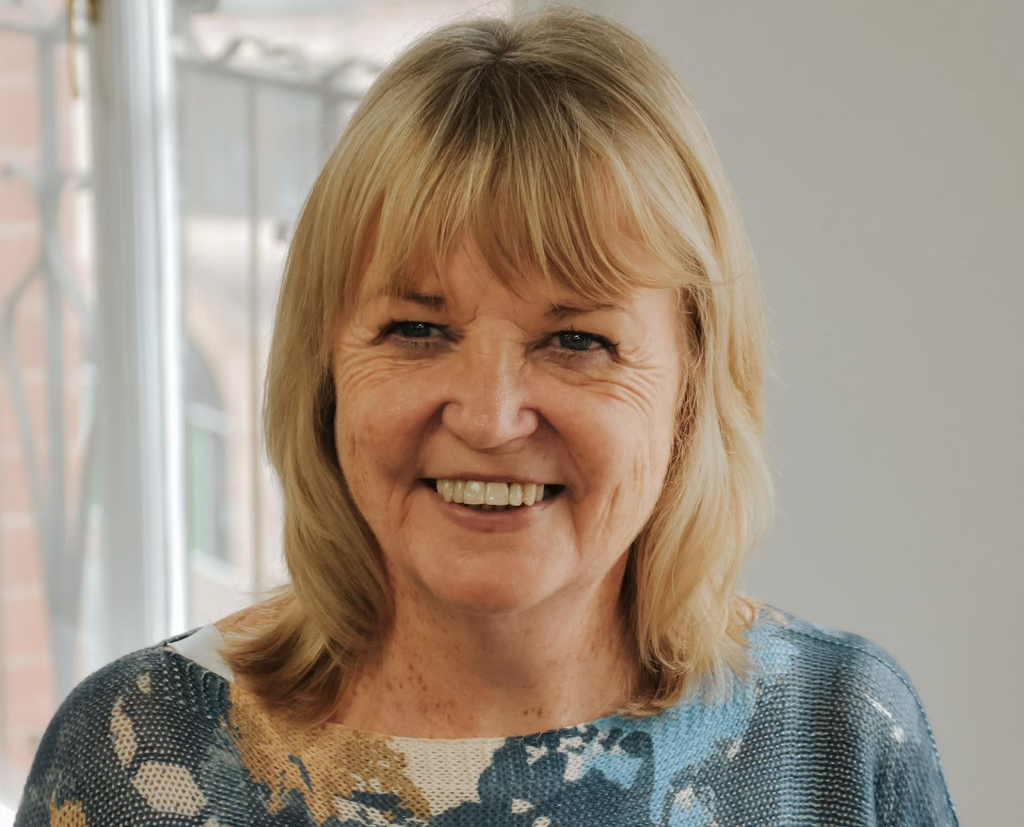
ASB Careers: From Lived Experience to Lasting Change – My Journey into ASB Work
By Cathy Chattaway
People often ask how I got into a career in anti-social behaviour (ASB). The truth is, it wasn’t something I planned – it was something I lived.
Starting Again
In 1987, I moved from Dublin to Leeds. I was 26, with two young children, and had just come through a marriage breakdown. My daughter has a rare genetic condition, and Leeds was home to a specialist clinic that could help her. I arrived in a new country, not knowing anyone, newly housed in social accommodation, and very quickly found myself on the receiving end of horrendous ASB.
At the time, there was no real legislation to protect victims. No formal support. I felt completely isolated. But instead of walking away or staying silent, I became an involved customer. I threw myself into learning. I wanted to understand the law, what could be done, and what should be done.
Turning Experience into Action
When Leeds City Council set up one of the first ASB units, I saw an opportunity to use everything I’d been through to help others. I applied for a role as an enforcement officer, and that’s where my ASB career started.
Since then, I’ve worked across enforcement, casework, policy and training. And what I still love, all these years later, is the chance to make a real difference to people’s lives. That moment when someone says “thank you, you’ve listened”. It never stops meaning something.
What I’ve Learned Along the Way
Like many in this sector, I’ve had to learn how to manage the emotional load. One of my biggest lessons? That I can’t be all things to all people. I used to work all hours, thinking that was what made me committed. But I’ve come to realise that if I’m burned out, I’m not at my best, and I can’t give my best to the people who need me.
I’ve also learned the importance of never working in silos. ASB work so often overlaps with mental health, safeguarding, housing issues – you have to work collaboratively if you want to achieve lasting outcomes.
Training That Matters
Some of the most valuable training I’ve ever had has been in case management. Learning how to use the right tools for the right situations has been invaluable from both an efficiency perspective but also for improving outcomes overall. Also learning about and understanding mental health I would say is essential as it forms such an intrinsic part of our work. The other area I would say that is critical to develop knowledge and confidence with is how to work across agencies. That kind of knowledge gives you confidence in your decisions and helps you stay focused on what matters: protecting victims and building safer communities.
My Advice to Anyone Considering a Career in ASB
Do it. But do it with passion and commitment. This work isn’t easy, but it’s meaningful. You have the chance to change lives for the better. To stand beside people when they’re at their most vulnerable. And to be part of a wider community of professionals who care deeply about fairness, safety, and justice.
That’s what’s kept me going all these years. And I wouldn’t change a thing.