
Interventionitis, #ASB11 & More – Your Weekly Update Is Here…
In this weeks update:
- ASB In The News
- Government Victims Campaign – Solace Case Study
- Springer Report into the Criminal Justice System
- County Court Inquiry Call For Evidence
- Knife Crime Insights Report from the Youth Justice Board
- #ASB11 Conference – Hear An Exclusive Update from Partner Janine
- Janine & Darren’s Round Up
ASB In The News: This Week’s Headlines
This week’s headlines include dispersal orders in Staines and Wirral, property closures in Nottinghamshire and Macclesfield, and security upgrades in Norwich… which reflect the continued action to tackle ASB and improve community safety. We are also now seeing businesses taking action, with McDonald’s in Leicester considering bans for repeat offenders for example.
Meanwhile, new legal powers in Cannock Chase and increased patrols in Cheltenham show a firm focus on enforcement. With political engagement in Lichfield and renewed policing commitments in Milton Keynes, the drive to create safer, more resilient communities remains a top priority.
The headlines:
Surrey: Dispersal order in Staines granted to tackle ASB – Read The Story Here
Norwich: New security doors to tackle ASB at a notorious block of flats – Read The Story Here
Leicester: McDonalds issuing bans following reports of ASB – Read The Story Here
Nottingham: Property closed following persistent ASB – Read The Story Here
Lichfield: Police meet with residents to tackle persistent ASB – Read The Story Here
Cheshire: Closure order granted for problematic property – Read The Story Here
Staffordshire: PSPO granted to tackle ASB in Cannock Chase – Read The Story Here
Berkshire: BBC report persistent ASB at block of flats in Slough – Read The Story Here
South Wales: Shop closure granted to tackle crime and ASB – Read The Story Here
Gloucestershire: ASB patrols increased to tackle problematic behaviour in Cheltenham – Read The Story Here
Wirral: Police granted extra powers to tackle ASB – Read The Story Here
Milton Keynes: Police pledge to increase response to ASB – Read The Story Here

Government Drive to Inform ASB Victims of Their Rights – A Case Study From Solace
At the end of January, the government announced a new initiative to ensure victims of ASB are fully aware of their rights, with a focus on strengthening confidence in the justice system and improving access to support. Too often, victims feel unheard, unsure of what action can be taken, or left navigating complex processes without clear guidance.
To showcase how a victim-first approach can work in practice, we’ve collaborated with Solace in Gloucestershire to provide a case study on their multi-agency model. Katie Mellon and Sam Higginson share how they put victims at the heart of their work, prioritising early intervention, clear communication, and proactive enforcement to prevent ASB from escalating.
For ASB professionals, this government push raises key questions: Are we doing enough to ensure victims know their rights? Is enforcement being used early enough to prevent persistent ASB? Read the full article to explore how these changes could impact practice and what we can learn from victim-led approaches.

Springer Report: Are We Overloading the Criminal Justice System with Interventions?
A new report published by Springer explores the concept of ‘interventionitis’ in the criminal justice system, looking at how multiple overlapping policies and interventions can sometimes do more harm than good. Through three case studies in England, the report highlights how well-intended interventions can create inefficiencies, policy overload, and the unintended consequence of ultimately failing to address the root causes of crime.
For those working in ASB and community safety, this raises important questions. We know that new initiatives, legislative changes, and enforcement tools are regularly introduced, but are they always improving outcomes? Are we layering new processes onto existing ones without reviewing their effectiveness? And, most importantly, are we truly addressing the causes of ASB rather than just reacting to behaviours?
This research is a timely reminder that more interventions don’t always mean better results. What really makes a difference is ensuring that our approaches are coherent, targeted, and evidence-based; rather than adding complexity for the sake of action.
We’d love to hear your thoughts – how do you see ‘interventionitis’ playing out in ASB policy and practice?
County Court Inquiry – Call For Evidence
The UK Parliament’s Justice Committee is currently examining the work of the County Court, focusing on delays, accessibility, and judicial capacity. Given that the County Court plays a key role in ASB cases such as injunctions and possession proceedings this inquiry is particularly relevant to ASB professionals.
Delays in the County Court can significantly impact ASB case outcomes, allowing issues to escalate and prolonging distress for victims. The inquiry is looking at:
- Court delays and their effect on case management.
- Access to justice, particularly for those without legal representation.
- Judicial and staff capacity, which affects case progression.
- The use of technology, including how digital solutions could improve efficiency.
The evidence submission window remains open until 13 February 2025, giving ASB practitioners the opportunity to share their experiences of how court delays affect case outcomes and community safety.
Find out more and submit your evidence here: Work of the County Court Inquiry

Understanding Youth Knife Crime: Insights from the YJB’s Latest Report
The Youth Justice Board (YJB) has published a Knife Crime Insights Pack, offering a deep dive into youth knife crime trends, sentencing outcomes, and evidence-based strategies for tackling the issue. The latest statistics show a 6% drop in youth knife-related offences compared to last year, but figures remain 20% higher than a decade ago, reinforcing the ongoing challenge of youth violence.
For those working in ASB and community safety, this report provides critical insight into the drivers of knife crime and highlights the need for early intervention, partnership working, and tailored responses rather than relying solely on enforcement.
Key Findings from the Report
- Youth Knife Crime Trends – Over 3,200 offences committed by children last year led to a caution or sentence, with 99.7% of cases involving possession rather than threats or violence.
- Sentencing and Outcomes – Community sentences remain the most common response (61%), while 7% of children received immediate custody, a figure that has remained steady for the past three years.
Recommendations for Tackling Youth Knife Crime
The YJB emphasises the need for a multi-layered response to youth knife crime, balancing enforcement with prevention, support, and long-term change. The report highlights four key areas where agencies should focus their efforts:
- Reducing Knife Supply – Limiting young people’s access to weapons is crucial. This means strengthening retail restrictions, promoting responsible sales, and working with local businesses to prevent access to dangerous items.
- Individualised Responses – A one-size-fits-all approach doesn’t work. Decisions around enforcement and intervention should consider each young person’s circumstances, ensuring proportionate, rehabilitative, and effective responses.
- Community-Led Solutions – Knife crime isn’t the same in every area. The YJB stresses the need for local strategies that address the specific drivers of youth violence, ensuring that interventions are relevant, targeted, and sustainable.
- Stronger Multi-Agency Working – Addressing youth knife crime requires collaboration between police, schools, youth services, housing, and community organisations. A joined-up approach ensures that young people receive support at the right time and are diverted away from crime before issues escalate.
What This Means for ASB and Community Safety Professionals
For professionals working in ASB, housing, and community safety, this report reinforces the importance of prevention alongside enforcement. Knife crime doesn’t exist in isolation – it’s linked to wider issues, including youth vulnerability, social exclusion, and exposure to violence.
The YJB’s insights provide a valuable evidence base for shaping local strategies, supporting a shift towards early intervention, community engagement, and targeted risk reduction. By focusing on long-term solutions rather than reactive enforcement, we can work towards reducing youth knife crime in a meaningful way.
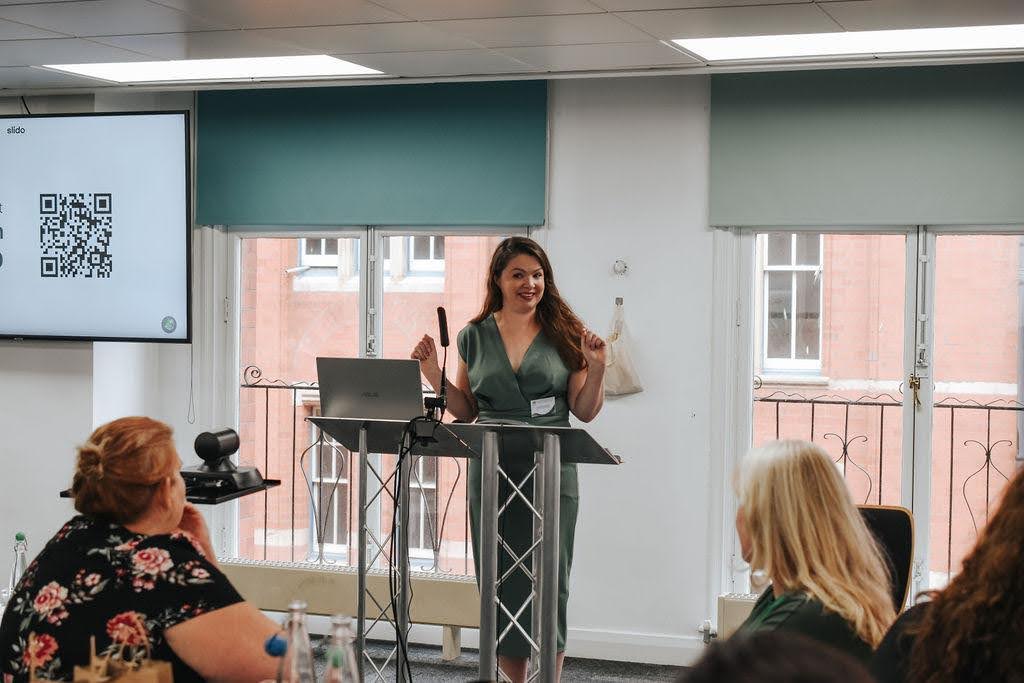
Introducing the Theme For #ASB11 – The Green & Burton ASB Associates Conference 2025
We’re excited to share the first details of this year’s #ASB11 conference, brought to life in this video by our partner, Janine.
The theme for 2025 is Partnerships – recognising the vital role that collaboration plays in tackling ASB effectively. Whether it’s housing providers, local authorities, enforcement agencies, legal teams, or community organisations, working together is the key to delivering meaningful and lasting solutions.
In the video, Janine reveals:
- The first confirmed sponsors who will be supporting the event.
- A teaser of the fantastic speakers you can expect to hear from.
- How to secure super early bird tickets and make the most of this year’s budget (spoiler – you can get them by clicking here)
Watch Now:
This is shaping up to be the must-attend event for ASB professionals for the year, providing insights, practical learning, and opportunities to build stronger partnerships across the sector.
Janine & Darren’s Weekly Round-Up
This week has brought a real mix of conversations – some new, some all too familiar. Intervention overload, youth crime, and the role of partnerships in tackling ASB are all front and centre.
The discussion around ‘interventionitis’ is one that resonates widely. We often see new policies, new powers, and new initiatives being launched, but how often do we pause and assess what’s already in place?
This week’s case study from Solace in Gloucestershire highlights the real impact that effective multi-agency working can have in tackling ASB. However, one of the biggest challenges we see is ensuring that partnerships go beyond policy commitments and translate into meaningful collaboration on the ground. Too often, organisations share the same goals but face resource constraints, conflicting priorities, and barriers to information-sharing, which can hinder progress.
This is exactly why partnerships will be a central theme at this year’s conference. It’s not just about acknowledging the need for collaboration, it’s about identifying practical ways to strengthen it, ensuring that agencies work together seamlessly to achieve better outcomes for communities.
We are really keen to hear from people and organisations that are interested in getting involved in #ASB11 – whether that’s through speaking opportunities, sponsorship, or simply shaping the conversations that matter most to you. If you’d like to be part of it, get in touch – email janine@greenandburtonasb.co.uk to start a conversation.
Have a great week!
Janine & Darren