
Samaritans Awareness Day: Tackling ASB in Vulnerable Communities

This week’s article is written by Green & Burton ASB Associate Katy Anderson. With experience working for the police and local authorities, Katy has handled complex ASB cases and led major projects. Since 2018, Katy has worked at a national level to promote best practices and steer policy direction, championing the victims’ voice You can find out more about Katy and the rest of the Green & Burton ASB Associates by clicking here.
Samaritans Awareness Day serves as a vital reminder of the importance of mental health and wellbeing in our communities. For housing and anti-social behaviour (ASB) professionals, this day highlights the need to address ASB with a compassionate and holistic approach, particularly when it involves vulnerable populations. Understanding the complexities of ASB in these groups and implementing effective strategies are crucial steps towards fostering safer and more supportive communities.
The Vital Role of the Samaritans
The Samaritans charity plays a crucial role in supporting individuals experiencing distress, including those affected by ASB. As a leading organisation providing emotional support, the Samaritans offer a lifeline to individuals facing crises, including those related to ASB. According to recent statistics, a significant number of calls to the Samaritans are related to ASB issues. In 2023, approximately 15% of the 5.5 million calls received by the Samaritans involved ASB-related concerns, highlighting the profound impact of these behaviours on individuals’ mental health and wellbeing. This 24/7 it is important to recognise the efforts of the Samaritans and their 24/7 availability, and take the opportunity to look at this more deeply in the context of ASB…
Understanding ASB in Vulnerable Populations
ASB encompasses a range of behaviours that cause harm, distress, or alarm to individuals and communities. These behaviours can include noise disturbances, vandalism, verbal abuse, and other forms of disruptive conduct. Vulnerable communities, such as those experiencing mental health issues, substance abuse, homelessness, or social isolation, are often disproportionately involved in ASB, either as perpetrators or victims. There are some ASB trends which are having a significant impact on communities which are driving complaints and community unrest which is reflected in the impact report from the Samaritans (for the full report you can click here)
1. Cuckooing
Cuckooing involves criminals taking over the home of a vulnerable person to use it as a base for illegal activities, such as drug dealing or human trafficking. This practice not only endangers the vulnerable individual whose home is invaded but also disrupts the surrounding community, leading to increased fear and instability. The victims of cuckooing are often coerced through violence, intimidation, or manipulation, making it a particularly insidious form of exploitation.
2. County Lines Activity
County lines activity refers to the practice of urban gangs exploiting children and vulnerable adults to transport and sell drugs from large cities to smaller towns and rural areas. This often involves coercion, threats, and violence. The impact on the individuals involved can be devastating, leading to criminal records, physical harm, and severe psychological trauma. Communities affected by county lines activity face increased crime rates, public safety concerns, and a general deterioration of community cohesion. The impact on families with county lines activity can be devastating. With the latest National Crime Agency report highlighting that county lines crime continues to increase, this activity can have far reaching impacts on communities.
3. Cyber ASB
The rise of technology has given way to cyber ASB, including online harassment, bullying, and the distribution of harmful content. Vulnerable individuals, especially young people, can be profoundly affected by cyber ASB, experiencing mental health issues, social withdrawal, and even suicidal thoughts. An article published this month from Tech Report shows that there are some incredibly worrying statistics around cyber ASB, one key element being that the anonymity of the internet often emboldens perpetrators, making this a challenging issue to address.
4. Gang-related ASB
Gang-related ASB includes behaviours such as violent street crime, territorial disputes, and public intimidation. These activities create an atmosphere of fear and insecurity within communities. Young people, particularly those from disadvantaged backgrounds, may be drawn into gang culture as a means of protection or a sense of belonging, which perpetuates the cycle of ASB and victimisation.
5. Exploitation and Human Trafficking
Human trafficking for purposes such as forced labour, sexual exploitation, or domestic servitude is a serious form of ASB that preys on the most vulnerable members of society. The impact on victims is severe, with long-lasting psychological, physical, and social consequences. Communities where trafficking occurs may experience an increase in related criminal activities, such as drug abuse and violence.
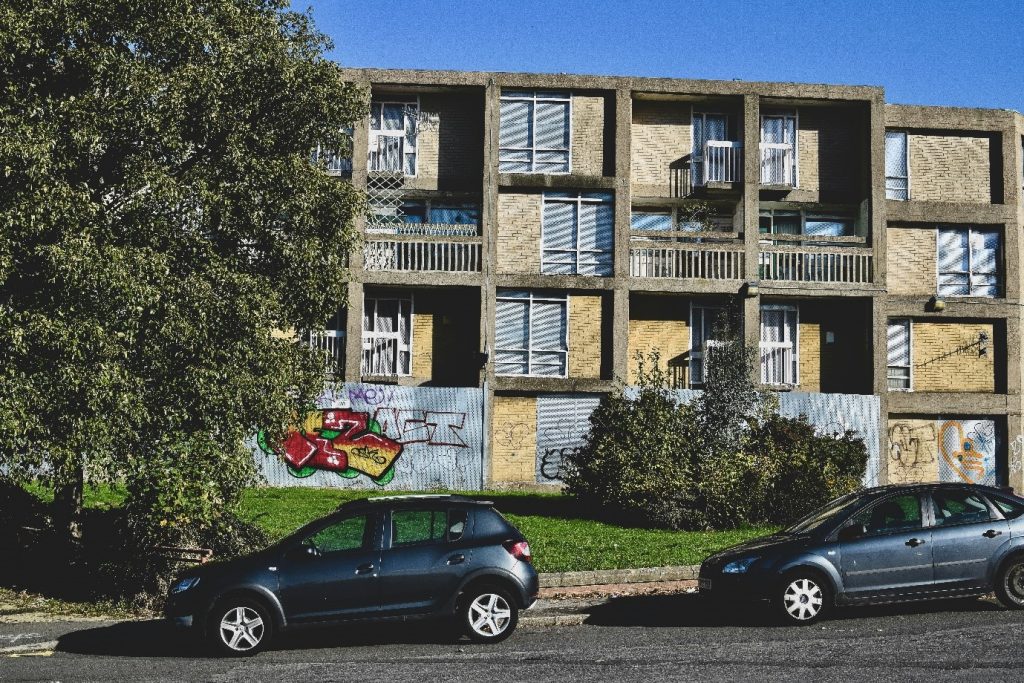
The Impact of ASB on Vulnerable Communities
- Mental Health: Exposure to ASB, either as a perpetrator or a victim, can exacerbate existing mental health issues. The stress and trauma associated with ASB can lead to conditions such as anxiety, depression, and post-traumatic stress disorder (PTSD). The recent case highlighted in The Guardian of the tenant who took his own life after repeated noise complaints tragically highlights the impact what was perceived as ASB on vulnerable people – and how charities such as The Samaritans are so needed to give a lifeline to those feeling like they have no other option.
- Substance Abuse: Substance abuse is both a cause and a consequence of ASB. Individuals may turn to drugs or alcohol as a way to cope with the stress of their environment, while substance abuse can also lead to behaviours that are classified as ASB.
- Homelessness: Individuals who have unstable living arrangements, or tenants who struggle to maintain their tenancy agreements, are particularly vulnerable to exploitation and ASB. Without the protection of a stable home, they may become easy targets for cuckooing or be coerced into criminal activities associated with county lines.
- Social Isolation: Socially isolated individuals lack the support networks that can protect against ASB. They are more susceptible to manipulation and may struggle to seek help when faced with coercion or victimisation.
The evolving landscape of ASB, including phenomena like cuckooing, county lines activity, cyber ASB, gang-related behaviour, and human trafficking, has profound and multifaceted impacts on vulnerable populations and communities. Addressing these issues requires a comprehensive approach that includes law enforcement, social services, mental health support, and community engagement to mitigate the harm and prevent further victimisation – which centres on effective ASB policies, procedures, and implementation.
The Role of Housing & ASB Professionals
Housing professionals are literally on the frontline of managing ASB in residential settings. Their role should not be to simply enforce tenancy agreements but also supporting tenants to address underlying issues contributing to ASB. Key strategies include:
- Early Intervention: Identifying and addressing issues early can prevent escalation. Regular tenant meetings and surveys can help identify those at risk. The risk assessment process is vital for successful early intervention.
- Support Services: Working together with mental health services, addiction support, and social services can provide essential support to tenants in a collaborative way, reducing the silo effect of individual agencies working out of sync.
- Mediation: Facilitating mediation between tenants to resolve conflicts amicably is a key strategy for tackling ASB with vulnerable populations. There can be a number of reasons why communication can break down, and mediation can prevent escalation and severe consequences.
- Staff Training: Providing staff with training on mental health awareness, de-escalation techniques, and the specific needs of vulnerable populations can be positive not just for outcomes, but also for supporting professionals in their role which can be significantly challenging.
How To Support Vulnerable People As ASB Professionals – A 4-Pronged Approach
- Risk Assessments – Evaluating the risk factors associated with individuals and incidents of ASB to prioritise interventions. The importance of risk assessments in ASB case management cannot be overstated, as they play a crucial role in identifying and mitigating potential harms. By assessing factors such as previous ASB incidents, mental health status, substance abuse history, and social circumstances, professionals can identify individuals who pose a higher risk of engaging in ASB.
- Case Management: Developing robust tailored action plans that address the specific needs of individuals involved in ASB in a customer centric way that reflects vulnerability is essential in managing complex cases.
- Partnership Working: Ensuring a multi-agency approach by bringing together housing providers, social services, police, Primary care trusts and community groups is key to supporting vulnerable communities at risk of and those experiencing ASB.
- Community Engagement: Building strong relationships and engaging with residents to build trust and encourage reporting of ASB, while also promoting understanding and tolerance is a sensitive dynamic that needs to be continuously invested in.
The Importance of Risk Assessments in ASB Case Management
Risk assessments are a critical component of the ASB case management process. They involve a systematic evaluation of potential risks associated with individuals or situations, enabling professionals to prioritise interventions and allocate resources effectively. The importance of risk assessments in ASB case management includes:
- Identifying High-Risk Cases: By assessing factors such as previous ASB incidents, mental health status, substance abuse history, and social circumstances, professionals can identify individuals who pose a higher risk of engaging in ASB.
- Tailoring Interventions: Risk assessments provide a detailed understanding of the underlying causes of ASB, allowing for the development of personalised action plans that address specific needs and reduce the likelihood of reoccurrence.
- Resource Allocation: Effective risk assessments help in prioritising cases based on severity and urgency, ensuring that resources are directed towards those most in need of intervention and support.
- Monitoring and Review: Ongoing risk assessments allow for continuous monitoring of individuals and situations, enabling timely adjustments to intervention strategies as circumstances change.
- Enhancing Safety: By identifying potential risks and implementing appropriate measures, risk assessments contribute to the overall safety and wellbeing of the community, reducing the impact of ASB.
The Need For A Risk Assessment Review
One of the current projects we are currently leading is a comprehensive review of risk assessment processes in the context of ASB case management. This review aims to evaluate the effectiveness of current practices, identify areas for improvement, and assess the overall impact of risk assessments on managing ASB cases. As part of this initiative, we are examining the processes, applications, and outcomes of risk assessments conducted by ASB professionals.
The review seeks to gather insights and experiences from a wide range of stakeholders, including housing providers, local authorities, social services, and community groups. If you would like to contribute to this review or share your experiences with risk assessments in ASB case management, please contact Katy at katy@greenandburtonasb.co.uk, as your input will be invaluable in shaping future best practices and policies used in the sector.
Samaritans Awareness Day: Tackling ASB in Vulnerable Communities
Samaritans Awareness Day is a call to action for housing and ASB professionals to approach ASB with empathy and a comprehensive strategy. By understanding the unique challenges faced by vulnerable populations and working collaboratively, we can reduce ASB and build safer, more inclusive communities. The Samaritans’ invaluable support services further highlight the importance of addressing ASB’s mental health implications, ensuring no one faces these challenges alone.