
A Bumper Update – Closure Orders, Thought Crime & More…
In This Week’s Update:
- Thought Crime Article from Cornerstone Barristers
- County Lines Strategic Threat Risk Assessment
- Cheshire & Manchester Closure Order Case Studies
- Research Opportunity – Cuckooing
- Sign Up To Our Next Free Webinar
- Janine & Darren’s Weekly Round Up
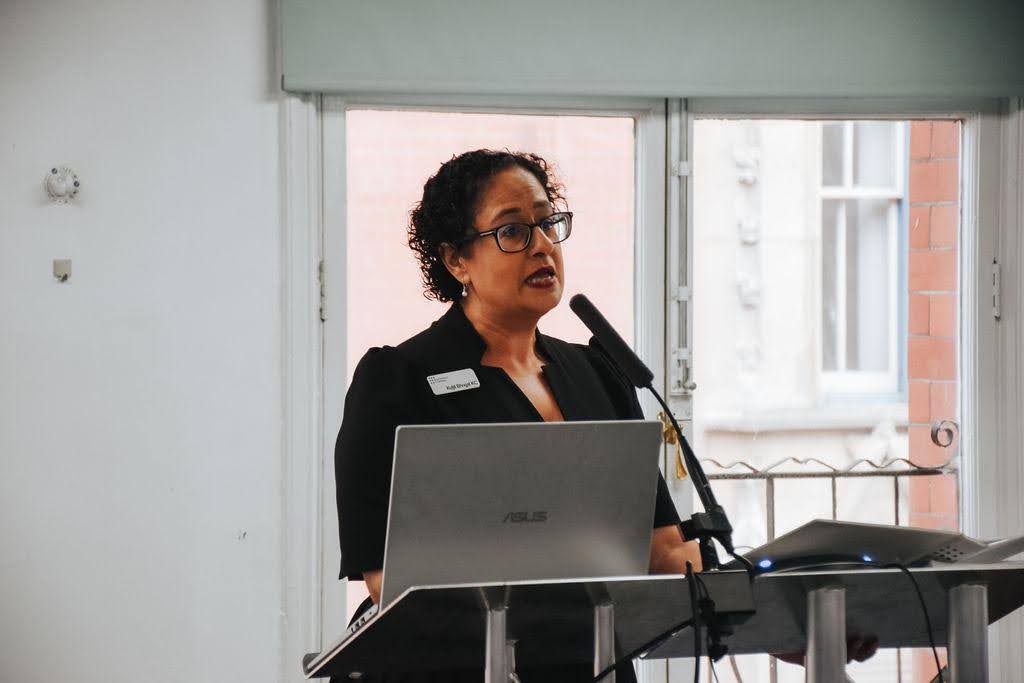
An Article Worth Reading: Is Thought Crime Becoming a Reality? A Landmark PSPO Conviction Raises Questions
A recent article from Cornerstone Barristers explores a controversial conviction that’s sparking fresh debates: a man found guilty for silently praying near a Bournemouth abortion clinic. This case pushes the boundaries of enforcing Public Spaces Protection Orders (PSPOs) when personal beliefs enter public spaces. The defendant, Mr. Smith-Connor, was convicted for breaching the PSPO, raising significant questions about whether we’re edging into the realm of “thought crime.”
Why This Article is a Must-Read:
- Legal Insights: The article analyses recent rulings impacting PSPO enforcement, offering key insights for those involved in public order.
- Balancing Rights and Enforcement: It examines how this case intersects with human rights protections, sparking debate on the fine line between public safety and individual freedoms.
- Practical Perspectives: Through real examples, it highlights the complexities and challenges of enforcing PSPOs in cases where private actions cross into regulated public spaces.
This article provides valuable context for those navigating PSPOs, with implications that could shape future approaches. Dive into the full piece to understand how this landmark ruling may influence enforcement decisions going forward.

County Lines Threat Update: Key Shifts and Emerging Risks for Local Communities
The County Lines Strategic Threat Risk Assessment for 2023–24, recently published by the NPCC, provides insights relevant to community safety, youth services, and public health teams. This latest assessment highlights a significant shift in County Lines operations, with networks now increasingly localised within single police areas rather than crossing boundaries, which brings new challenges and impacts for local communities.
Why This May Be of Interest:
- New Dynamics for Local Authorities and ASB Teams: With networks becoming more embedded locally, traditional approaches to anti-social behaviour and community safety may benefit from adapting to these smaller, internal operations.
- Exploitation of Vulnerable Groups: The report discusses how children and vulnerable adults continue to be at high risk of exploitation, whether as drug runners or through “cuckooing” of their homes. Closer collaboration with social services and safeguarding teams is highlighted as key to preventing harm.
- Emerging Health Risks from Synthetic Opioids: With dangerous new drugs like nitazenes in circulation, public health teams may find opportunities to address this risk in partnership with law enforcement.
- Social Media’s Role in Recruitment: Social media is being used more frequently to recruit young people, posing new challenges for schools, youth workers, and community organisations in their efforts to prevent exploitation.
For those in law enforcement, social work, and community engagement, the NPCC’s report offers a well-rounded view of current trends and emerging risks. It’s a useful resource for understanding the evolving County Lines threat and its implications for local communities. You can access the full report here.
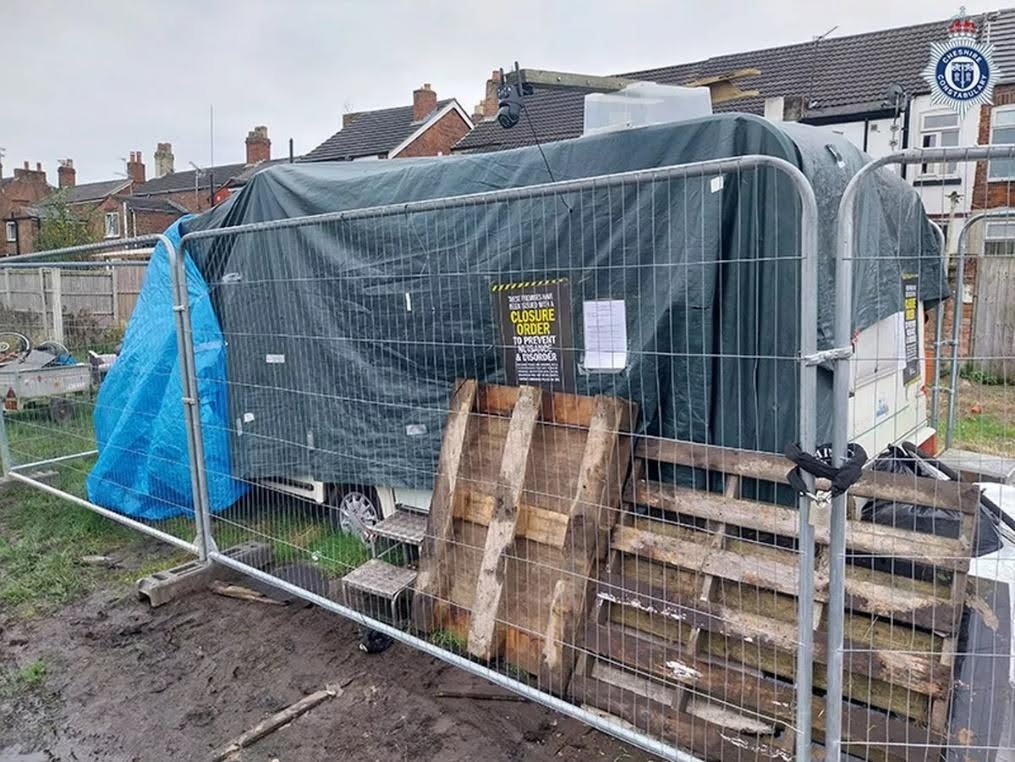
Cheshire Caravan Closure Order: A Win for Neighbours Impacted by ASB
A recent closure order on a caravan in Northwich, Cheshire, marks a significant success in addressing persistent ASB and drug-related activity affecting local residents. After months of complaints, Cheshire Police secured the order under the Anti-Social Behaviour, Crime and Policing Act 2014, fencing off the caravan and barring access. This serves as a strong example of how similar legal measures can effectively protect communities from ongoing disruption.
Key Takeaways:
- Effective Use of Closure Orders: The case highlights the importance of gathering substantial evidence of repeated ASB and drug-related incidents to support a successful application for a closure order. Documenting issues thoroughly and working closely with local authorities can make a significant difference in cases where community wellbeing is at risk.
- Community Impact: This intervention demonstrates how a single problem property can have a large negative impact on residents’ quality of life. Closure orders are a powerful tool in helping to restore peace and safety for communities affected by ongoing disturbances.
- Enforcement and Consequences: The closure order is enforceable with strict repercussions; anyone attempting to enter the property faces potential arrest, fines, or imprisonment. This highlights the serious approach local authorities can take to protect communities and ensure compliance.
Cheshire Police’s action in Northwich is a clear example of how targeted legal measures can bring much-needed relief to communities impacted by prolonged ASB issues. This case may serve as a useful reference for those considering similar interventions to support neighbourhood wellbeing.
Read the article featuring this case from the Manchester Evening News
New “Clear, Hold, Build” Order on Rochdale Estate to Tackle ASB
The Guardian have recently reported on a groundbreaking order implemented by Greater Manchester Police (GMP) on Rochdale’s Freehold estate, targeting persistent drug dealing and intimidation that residents have long endured. This “open space closure order”—the first of its kind—restricts non-residents from gathering in common areas across all 19 blocks of the estate, including stairwells, landings, bridges, and bin chutes. Part of the nationwide “Clear, Hold, Build” strategy, the order aims to bring safety and security back to the community.
Key Points from the Order:
- Expanded Use of Closure Powers: Traditionally applied to specific addresses, this new order covers all open spaces across 376 properties, creating a protective zone that prohibits non-residents from loitering in these areas.
- Direct Impact on Crime and ASB: The order allows police to arrest and remove individuals engaged in drug activity or other ASB, addressing resident concerns and reducing intimidation.
- Clear, Hold, Build Strategy: Launched nationwide in 2023, this strategy involves police “clearing” offenders, “holding” the area with police presence, and working with partners to “build” a more resilient, safer community.
Following extensive consultation with residents, dozens of arrests, and significant drug seizures, GMP’s new order highlights how this innovative application of existing legislation can make an impact.
To learn more about this unique approach and what it means for local communities, read The Guardian’s full article.
Research Opportunity: Understanding Cuckooing in County Lines Crime
Huddersfield University is conducting research into Cuckooing as a tactic within County Lines crime, seeking insights from professionals in Police, Adult Care, and Housing. If you have relevant experience, your input could provide invaluable understanding. Participation is voluntary and confidential. To learn more and take part, please follow this link: https://hud.eu.qualtrics.com/jfe/form/SV_4Gi9gaiyWg5eojs.
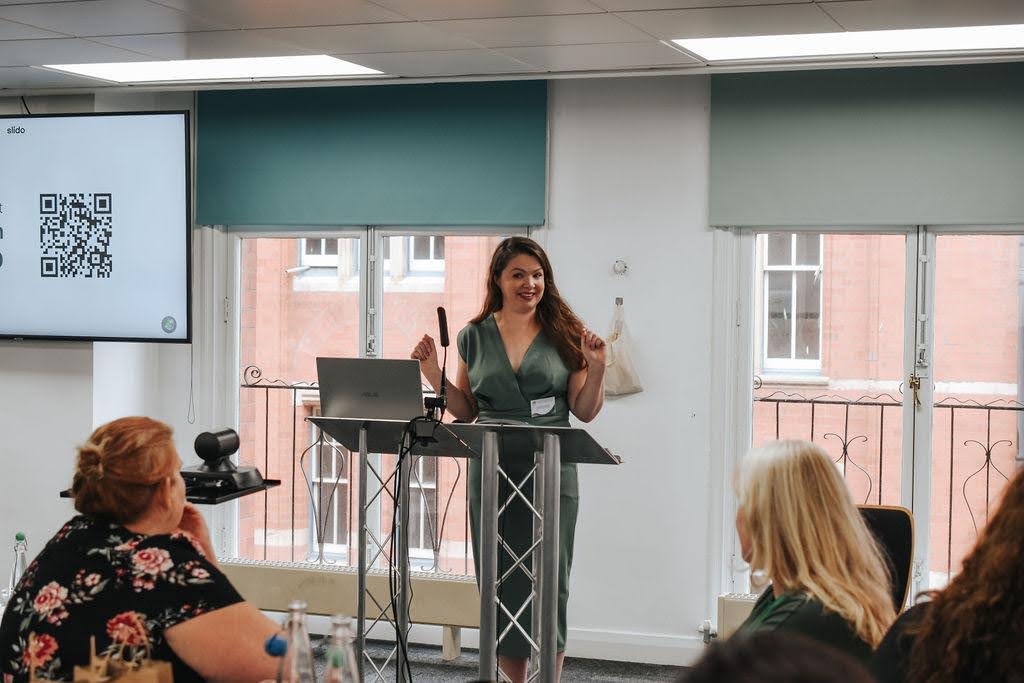
Our Next Free Webinar is Open for Registration: Unlock Key ASB Management Insights
Join us for a free webinar led by Janine Green, where we’ll dive into recent Housing Ombudsman determinations on ASB cases. Discover actionable recommendations, practical examples, and case management strategies to enhance your ASB approach. Whether you’re in policing, local government, or housing, this session is packed with insights to help you stay ahead.
Register now to secure your place and gain valuable tools for effective ASB management!
Janine & Darren’s Weekly Round Up
It’s a bumper edition this week, with some compelling developments in ASB management and a moment to honour those who have served and remember the impact they’ve had on our communities for Remembrance Day on the 11th.
One notable update is the recent closure order on the Rochdale estate, demonstrating how large-scale interventions can address deeply-rooted ASB issues. This approach could offer a useful model for similar challenges in other areas and we would love to know your thoughts on this.
We’re also revisiting ongoing insights from Housing Ombudsman determinations, which continue to highlight valuable lessons in response times, communication, and case management. These findings are a helpful reminder of where we can improve ASB practices to better support both residents and service providers. If you are interested in hearing more on these topics and get practical advice on applying these insights, join us for our next free webinar. Register now to secure your place…